201319
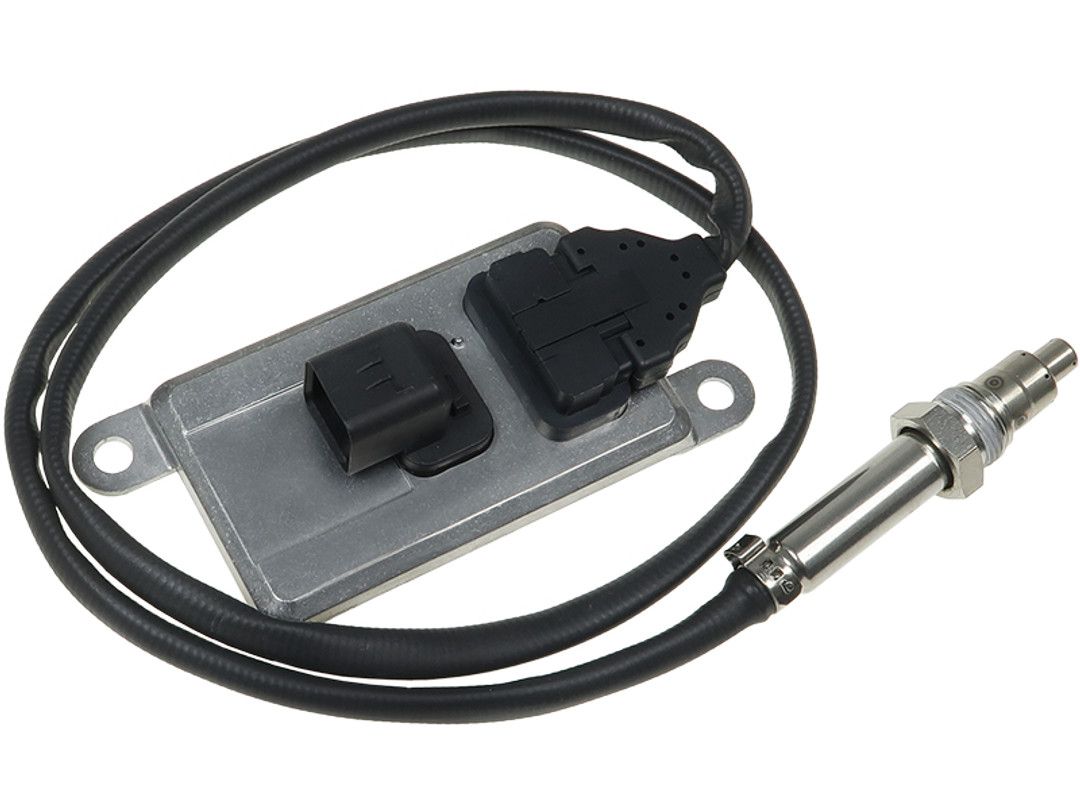
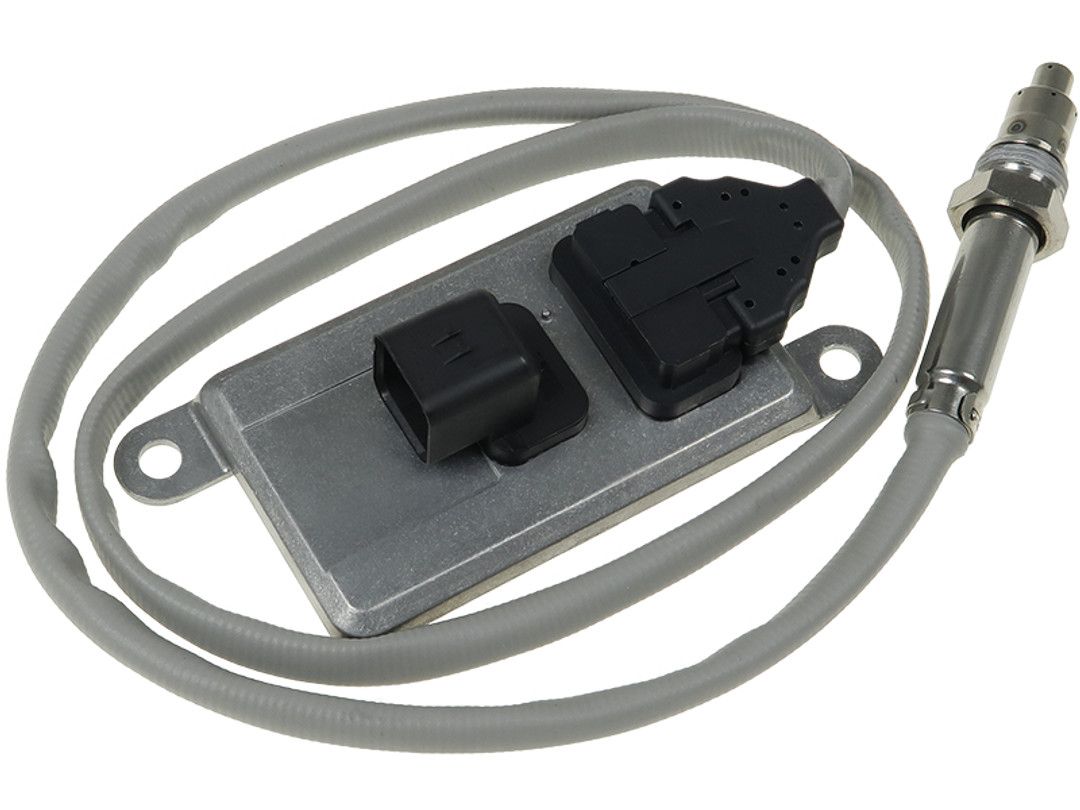
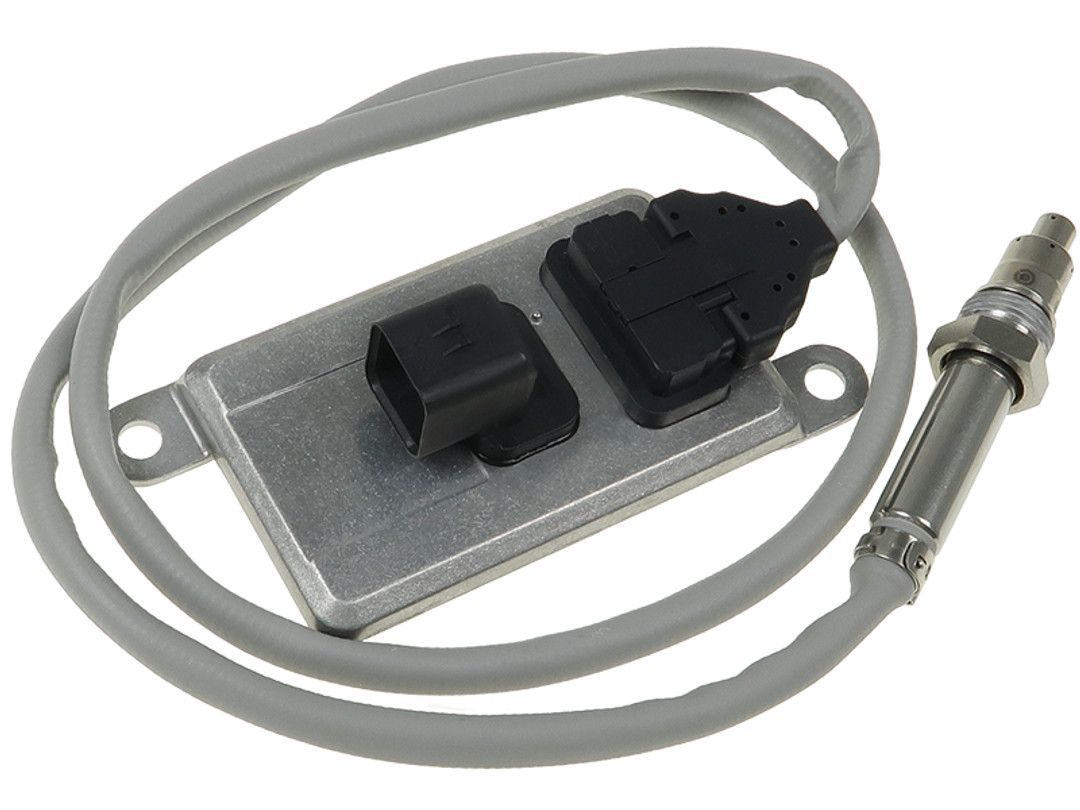
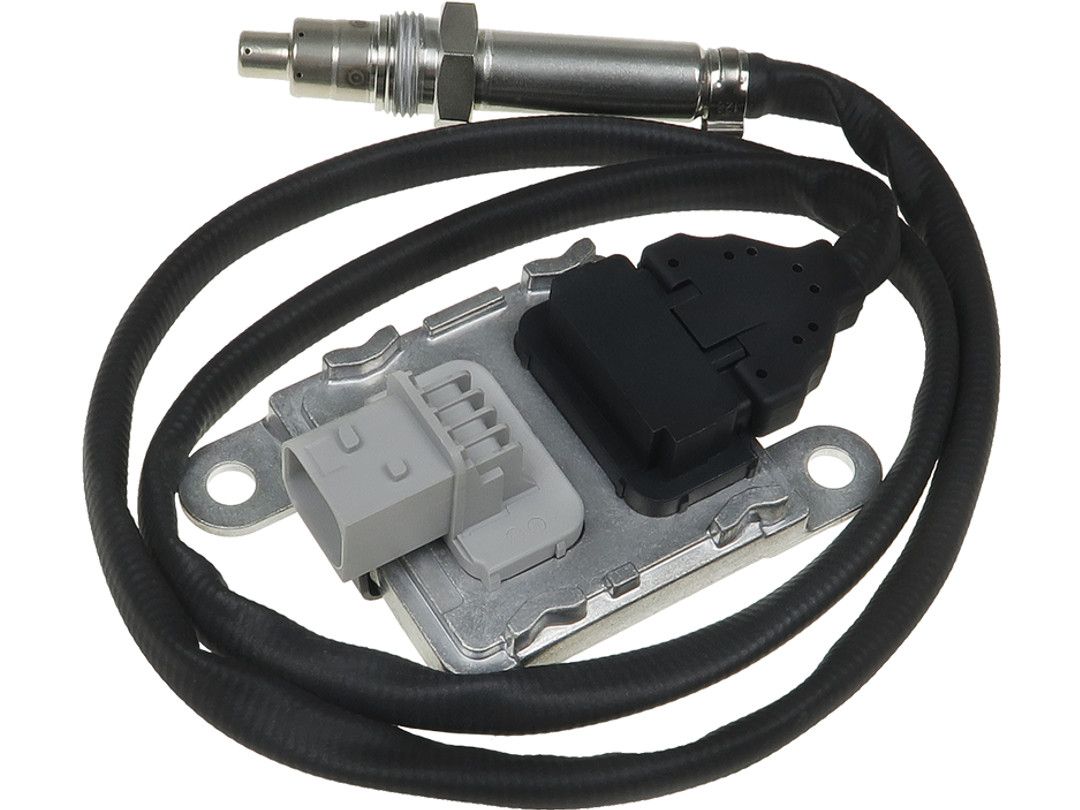
NOx Sensor 2872948; 4326874RX
BG NOx sensor for CUMMINSISB / ISC / ISL Engines,OE 2872948,12V urea/SCR system.
- BG Part Number
- 201319
- Category
- NOx Sensors
- Application
- ISB / ISC / ISL Engines
- Voltage
- 12V
- Vehicle Manufacturer
- CUMMINS
OE Cross References
- 2872948
- 5WK9 6742· cross
- 4326874RX
Product Description
This BG NOx (nitrogen oxide) sensor is designed for the urea/AdBlue-based SCR (Selective Catalytic Reduction) emissions system on CUMMINS ISB / ISC / ISL Engines. It is a direct-fit replacement for OE reference D2. Rated for 12V electrical systems. The sensor provides accurate real-time NOx measurement for precise urea dosing control, helping maintain stable SCR performance and compliance with diesel emission standards.
Vehicle manufacturer names, logos and OE reference numbers are used for identification and compatibility purposes only. BEST GROWTH products are independent aftermarket products and are not manufactured, sponsored or endorsed by the respective vehicle manufacturers.
OE Cross-Reference · Specification Check · Diagnostic Guidance
Cummins 4326873RX NOx Sensor: Cross-Reference and Replacement Guide
The Cummins 4326873RX NOx sensor is part of the SCR emissions-control feedback system used on diesel applications. Before ordering, match the OE number on the original control module and confirm the sensor voltage, cable length, connector, thread and installation position. This page covers the 12 V configuration with a 1,010 mm cable and four-pin square connector.
Important fitment note: An OE cross-reference is a starting point, not a complete fitment guarantee. The same number family can appear in catalogs covering different vehicle platforms, emissions calibrations or sensor positions. Confirm by VIN/engine serial number, original sensor label and physical specifications before installation.
Product specifications
Product type | Diesel exhaust NOx sensor |
|---|---|
Nominal voltage | 12 V |
Cable length | 1,010 mm |
Connector | 4-pin, square |
Bore diameter | Ø 14.6 mm |
External thread | M20 × 1.5 |
Cummins NOx sensor OE cross-reference
Use the following numbers when comparing the original sensor label, electronic catalog and replacement part. Formatting may vary between catalogs.
Brand / reference family | OE or reference number |
|---|---|
Cummins | 2872948 |
Cummins | 2872948NX |
Cummins | 326873RX |
Cummins | 4326873 |
Cummins | 4326873RX |
Associated vehicle cross-reference | 7099783C1 |
Associated vehicle cross-reference | 7099784C1 |
Suffix reminder: “NX” and “RX” can identify service or exchange programs rather than a different electrical specification. Never assume that a suffix alone confirms voltage, position or calibration.
What the NOx sensor does in an SCR system
A NOx sensor combines an exhaust-gas probe with an electronic control module. Once the sensor reaches operating temperature, it measures nitrogen oxides in the exhaust stream and sends a processed signal to the engine or aftertreatment controller. The controller uses this feedback to monitor SCR conversion, support DEF dosing control and detect emissions-system faults.
The reading is only one part of the diagnostic picture. Exhaust leaks, incorrect DEF concentration, deposit formation, a weak dosing injector, catalyst deterioration, damaged wiring or poor power and ground can all produce symptoms that resemble a failed NOx sensor.
How to confirm the correct replacement
Read the original label.
Record every OE number, manufacturer number and voltage marking before removing the sensor.
Confirm the application.
Check the VIN, engine serial number, emissions family and OEM parts information.
Verify the electrical interface.
Match 12 V, the four-pin square connector and the connector keying. A connector that appears similar may still be wired or keyed differently.
Measure the physical configuration.
Confirm the 1,010 mm harness length, M20 × 1.5 thread and probe dimensions. The cable must follow the factory routing without tension or contact with hot and moving parts.
Confirm sensor position.
Identify the sensor by its actual exhaust-system location and the OEM service information. Do not interchange inlet and outlet sensors unless the application catalog explicitly approves it.
Symptoms that require NOx sensor diagnosis
Observed condition | What to check before replacing the sensor |
|---|---|
Active NOx sensor circuit or communication fault | Power supply, ground, connector terminals, harness heat damage and vehicle network integrity. |
NOx value is fixed, implausible or slow to respond | Sensor warm-up status, exhaust leaks, live data under stable operating conditions and comparison with expected system behavior. |
SCR efficiency or inducement warning | DEF quality, DEF dosing, ammonia deposit formation, exhaust temperature, upstream engine-out NOx and catalyst condition. |
Intermittent warning after rain, washing or vibration | Connector sealing, water intrusion, pin tension, chafing and module mounting. |
Professional diagnostic workflow
Save diagnostic trouble codes, occurrence counts and freeze-frame data before clearing anything.
Inspect the complete sensor assembly. Look for melted insulation, abrasion, corrosion, loose terminals, impact damage and an incorrectly routed harness.
Verify power, ground and communication according to the vehicle manufacturer's wiring diagram. Do not probe terminals in a way that spreads or damages them.
Warm the aftertreatment system and review live NOx, exhaust temperature and DEF dosing data under the test conditions specified by the OEM.
Rule out system causes such as exhaust leakage, poor DEF, crystallization, dosing faults and SCR catalyst problems.
Replace the sensor only when the evidence supports a sensor or integrated-module fault.
Replacement guidance
Allow the exhaust system to cool and isolate electrical power as required by the vehicle service procedure. Disconnect the electrical connector without pulling on the cable, release the harness retainers and remove the probe with the correct sensor tool. Protect the new probe from impact, grease, cleaning chemicals and fingerprints on the sensing area.
Install the replacement using the vehicle manufacturer's tightening torque and routing instructions. Do not add anti-seize compound unless the sensor supplier or OEM procedure specifically requires it; some sensors are supplied with a controlled thread coating. Secure the cable away from the exhaust surface, sharp edges and moving components, then reconnect the plug until its lock is fully engaged.
After installation, clear codes only after recording them, perform any OEM-required reset or commissioning routine, and complete a verification drive or stationary test. Confirm that the sensor communicates, reaches operating temperature and reports a plausible response without returning faults.
Why specification matching matters
NOx sensors are electronically active components, not universal oxygen sensors. Matching the thread alone is insufficient. Voltage, control-module protocol, connector keying, harness length, emissions calibration and sensor position must all agree with the application. Installing the wrong sensor can cause communication faults, inaccurate SCR feedback, warning lights or emissions inducement.
Frequently asked questions
Which numbers cross-reference with Cummins 4326873RX?
The supplied reference set includes 2872948, 2872948NX, 326873RX, 4326873, 4326873RX, 7099783C1 and 7099784C1. Confirm the complete application and physical specification before treating any cross-reference as interchangeable.
What is the voltage of this Cummins NOx sensor?
The configuration described on this product page is 12 V. Because external catalogs may group related OE numbers across more than one electrical configuration, match the voltage marking on the original part and the vehicle service data.
Can I identify an inlet or outlet NOx sensor by the OE number alone?
Not safely across every vehicle and emissions platform. Confirm the sensor's physical position, VIN or engine serial number, wiring and OEM catalog description. Inlet and outlet sensors should not be exchanged unless explicitly validated for that application.
Does a four-pin square connector guarantee fitment?
No. Pin count and connector shape are useful checks, but connector keying, voltage, communication protocol, cable length and calibration must also match.
Does a new NOx sensor require programming?
Requirements vary by vehicle and controller. Some applications need only fault clearing and a verification drive, while others specify a reset, adaptation or service routine. Follow the OEM diagnostic procedure for the exact vehicle.
Order with confidence
For an accurate quotation, provide the VIN or engine serial number, the complete number and voltage printed on the original sensor, its installation position, and clear photos of the module label, connector and probe. BG can use these details to help confirm the correct 12 V Cummins NOx sensor replacement before shipment.
Related References